
· Dogs, Local Businesses, Poo Patrol Blog
Training 101: Essential Commands Every Dog Should Know
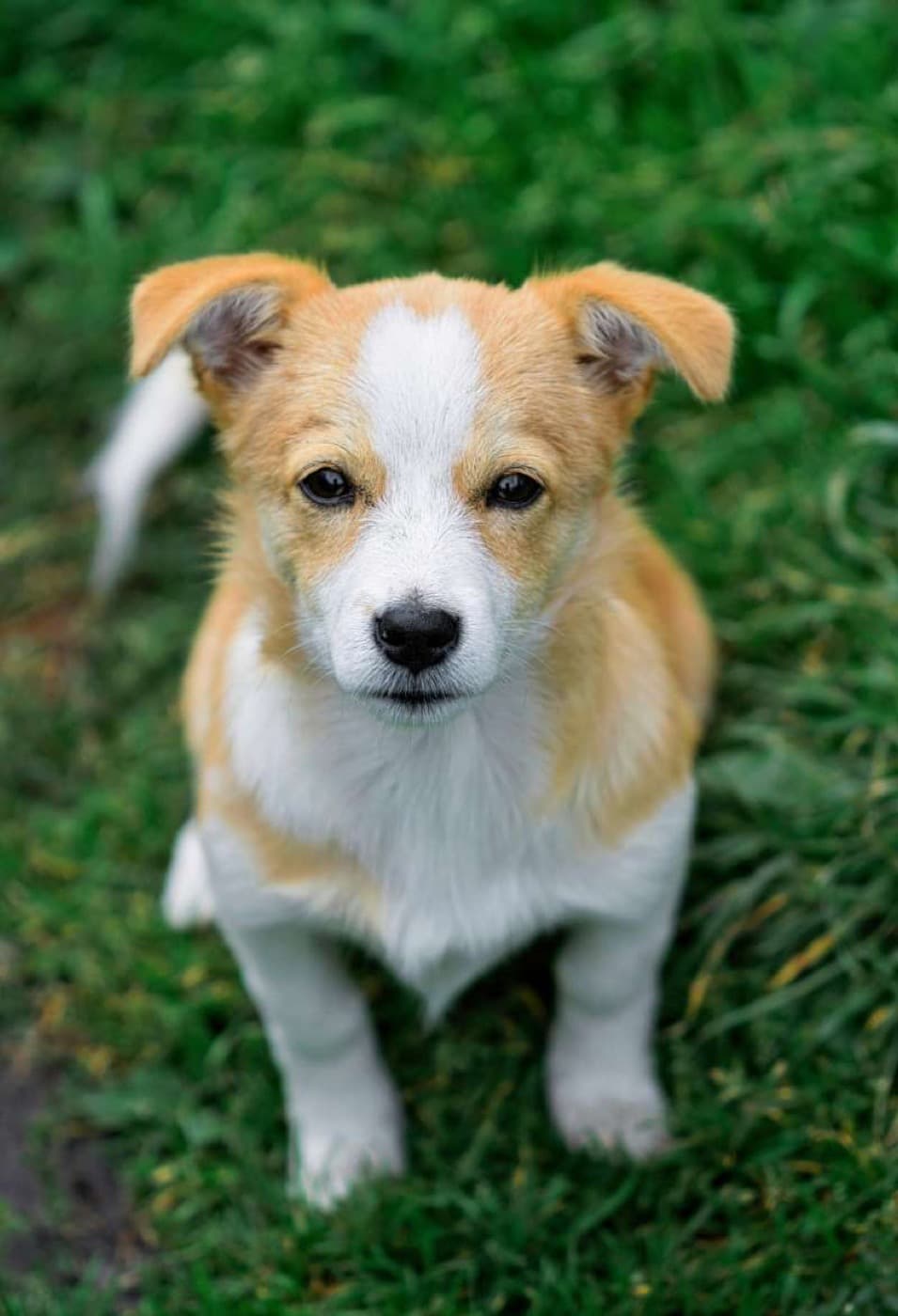
Training 101: Essential Commands Every Dog Should Know
A Beginner’s Guide to Dog Training
Dog training is one of the most rewarding aspects of being a pet owner. Not only does it foster a strong bond between you and your dog, but it also ensures your dog’s safety, builds their confidence, and makes everyday interactions much easier. In this comprehensive guide, we’ll cover the essential commands every dog should know, why they are important, and how to effectively teach them.
By the end of this post, you’ll understand how to train your dog to respond to basic commands like “sit,” “stay,” “come,” and more. Whether you’re a first-time dog owner or looking to sharpen your training skills, this guide will walk you through everything you need to know.
Why Training is Essential
Before we dive into the specifics of each command, it’s important to understand why training your dog is so critical. While training can be fun and engaging for both you and your pet, it also serves a practical purpose:
- Safety: A well-trained dog is a safe dog. Commands like “stay” and “recall” can prevent your dog from running into traffic or getting lost in unfamiliar areas.
- Behavioral Control: Untrained dogs can exhibit undesirable behaviors like jumping, barking excessively, or becoming aggressive. Basic commands help control these behaviors, making your dog more pleasant to be around.
- Communication: Training strengthens the bond between you and your dog by improving communication. Your dog will better understand what you expect from them, reducing confusion and frustration.
- Mental Stimulation: Dogs need more than just physical exercise - they also need mental stimulation. Training challenges their minds and provides them with an outlet for their energy, reducing boredom and destructive behaviors.
- Confidence Building: A dog that understands and follows commands feels secure knowing what is expected. This can be especially important for shy or anxious dogs.
Essential Commands Every Dog Should Know
Training your dog in basic commands lays the foundation for more advanced skills and creates a safer, more enjoyable environment for both of you. Let’s look at the essential commands every dog should learn.
1. Sit 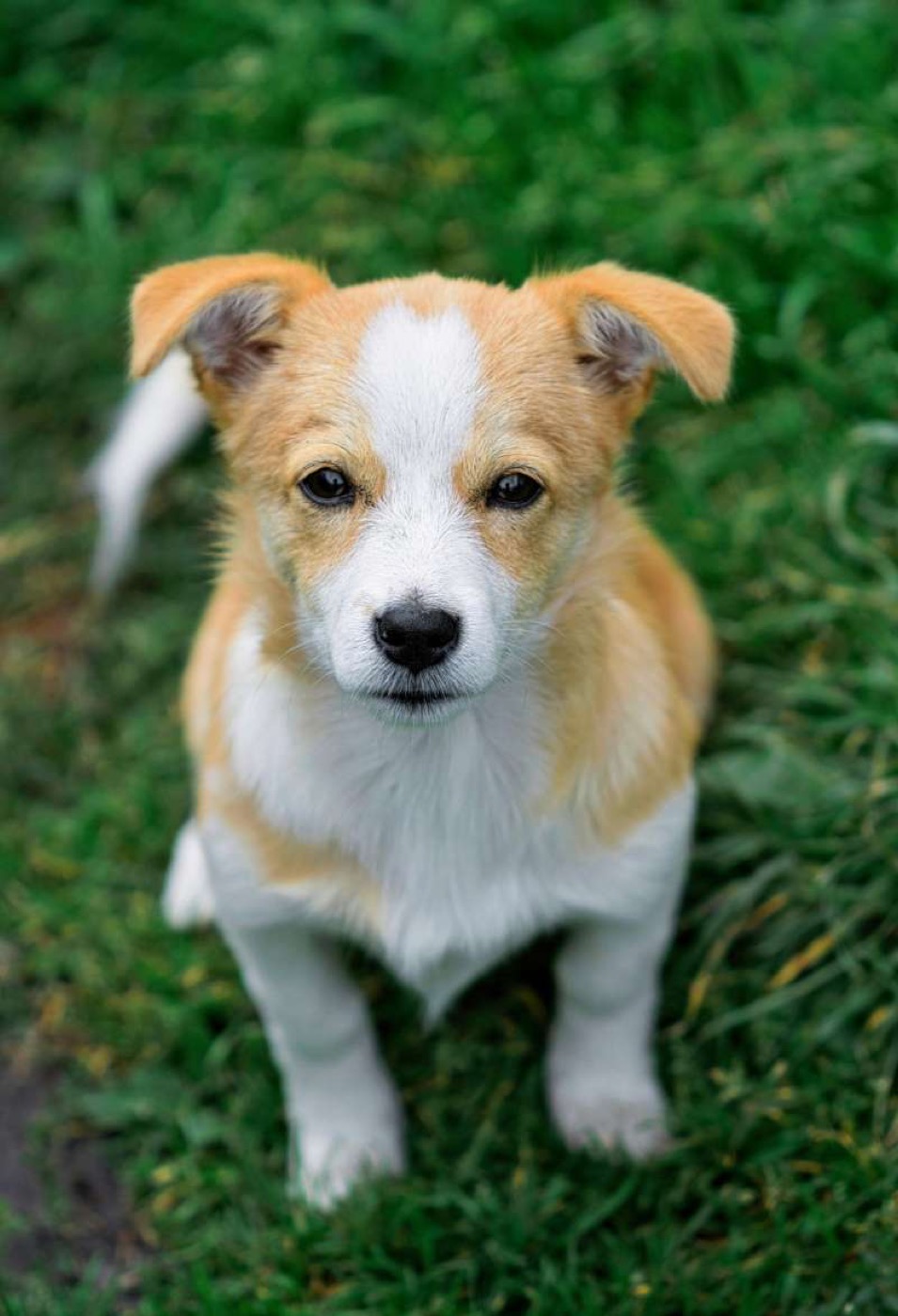
The “sit” command is often one of the first commands new dog owners teach their pets. It’s simple, effective, and the basis for many other commands.
Why It’s Important:
- Helps in controlling excitement (like when greeting guests).
- Prevents unwanted behaviors, such as jumping.
- Creates a sense of calm before feeding or walking.
How to Teach It:
- Get Your Dog’s Attention: Hold a treat close to your dog’s nose so they focus on the reward.
- Lure Them Into Position: Slowly move the treat up over your dog’s head. As their nose follows the treat, their bottom will naturally lower to the ground.
- Say “Sit”: As soon as your dog’s rear hits the ground, say “sit” and immediately give them the treat.
- Praise: Give lots of positive reinforcement, using both verbal praise and the treat.
- Repeat: Practice multiple times daily, gradually reducing the need for the treat over time.
Common Mistakes:
- Timing: Make sure to reward your dog immediately after their bottom touches the ground to reinforce the behavior.
- Patience: Don’t force your dog into the sitting position - this can create a negative association with the command.
2. Stay
The “stay” command is a vital part of obedience training. It teaches your dog self-control, allowing them to remain in one place even if distractions are present.
Why It’s Important:
- Keeps your dog in place, which can be critical in dangerous situations (e.g., at a busy street).
- Allows you to manage your dog’s behavior during activities like mealtime or when answering the door.
- Helps prevent impulsive actions, such as bolting out of the house or car.
How to Teach It:
- Start with “Sit”: Get your dog into the sitting position first.
- Command “Stay”: Hold your hand out, palm facing your dog, and say “stay” in a calm, firm tone.
- Take a Step Back: If your dog remains in the sitting position, reward them with praise and a treat after a few seconds.
- Increase Distance Gradually: Slowly increase the distance between you and your dog by taking more steps back. Always return to your dog to reward them - don’t call them to you.
- Extend the Time: Gradually extend the amount of time your dog must “stay” before receiving a treat.
Common Mistakes:
- Moving Too Fast: Don’t increase the distance or duration too quickly. Start with just a few seconds and a short step back.
- Breaking the Command: Don’t reward your dog if they break the “stay” before being released. Wait until they successfully complete the task.
3. Come (Recall)
The “come” command is essential for your dog’s safety. Whether they’ve wandered too far or are about to get into trouble, being able to call them back to you can prevent accidents and ensure they stay close.
Why It’s Important:
- Prevents your dog from running into unsafe areas.
- Helps you regain control in chaotic situations, such as when your dog is off-leash.
- Enhances your bond by encouraging trust and responsiveness.
How to Teach It:
- Use a Leash: Start by training your dog on a long leash or in an enclosed area where they can’t wander too far.
- Command “Come”: Call your dog’s name, followed by the word “come” in an enthusiastic, upbeat voice. You can clap your hands or make fun noises to get their attention.
- Reward: When your dog comes to you, immediately reward them with a treat and lots of praise. Make coming to you a positive experience.
- Practice in Different Settings: Once your dog understands the command, practice in a variety of environments with different levels of distractions.
Common Mistakes:
- Punishing: Never punish your dog for coming to you, even if they’ve done something wrong beforehand. Coming to you should always be a positive experience.
- Repetition: Don’t repeat the “come” command multiple times. Say it once clearly, and reward when your dog responds.
4. Down (Lie Down)
The “down” command is useful in many situations, especially when you need your dog to settle and relax.
Why It’s Important:
- Encourages calm behavior, especially in busy or distracting environments.
- Can be helpful during meals or when guests are over.
- Useful for managing anxiety or excitement.
How to Teach It:
- Start with “Sit”: Get your dog into the sitting position.
- Lure to the Ground: Hold a treat in front of your dog’s nose, then slowly lower it towards the ground. As their nose follows, their body will naturally move into the lying down position.
- Say “Down”: Once your dog’s elbows and stomach are on the ground, say “down” and give them the treat.
- Reinforce: Continue to practice, giving lots of praise each time your dog gets into the “down” position.
Common Mistakes:
- Impatience: Some dogs may be reluctant to lie down initially. Be patient and don’t force them into the position.
- Inconsistent Rewards: Make sure to reward immediately when your dog gets into the “down” position to reinforce the behavior.
5. Leave It
“Leave it” is a crucial command that can prevent your dog from picking up or eating something dangerous, such as harmful foods, objects, or substances.
Why It’s Important:
- Prevents your dog from ingesting something toxic or harmful.
- Teaches impulse control and reduces resource guarding.
- Keeps your dog focused on you, even when distractions are present.
How to Teach It:
- Hold a Treat in Both Hands: Place one treat in your closed fist and another treat in your other hand behind your back.
- Show the Fist: Show your dog the fist with the treat inside, and let them sniff, lick, or paw at it without opening your hand.
- Say “Leave It”: As soon as your dog backs away or stops trying to get the treat, say “leave it” and immediately give them the treat from your other hand.
- Practice with Different Objects: Gradually introduce different objects and distractions, reinforcing the command each time your dog resists the temptation.
Common Mistakes:
- Inconsistent Training: Dogs need frequent practice with different items and in different environments to truly understand the command.
- Delayed Rewards: Be sure to reward your dog immediately after they obey the command to solidify the connection.
General Training Tips
Training can be an exciting and rewarding experience, but it does require patience and consistency. Here are some general tips to ensure successful training:
- Be Patient: Dogs learn at different rates, and it’s important to be patient. Don’t get frustrated if your dog doesn’t grasp a command right away - keep sessions short and positive.
- Consistency is Key: Use the same command words and reward systems every time. Consistency helps your dog understand what you’re asking of them.
- Short Sessions: Keep training sessions short, about 10-15 minutes each. Dogs have short attention spans, and lengthy sessions can lead to frustration or boredom.
- Use Positive Reinforcement: Always reward your dog for correct behavior with treats, praise, or play. Avoid punishment, as it can confuse or scare your dog.
- Practice in Different Environments: Once your dog masters a command at home, practice in other environments, like the park or around other dogs, to ensure they can follow commands even with distractions.
- End on a Positive Note: Always finish your training sessions with a successful command and plenty of praise. This keeps your dog eager for future sessions.
Conclusion
Teaching your dog essential commands like “sit,” “stay,” “come,” and “leave it” not only helps keep them safe but also strengthens the bond between you and your furry friend. With patience, consistency, and positive reinforcement, any dog can learn these important skills, paving the way for a happy and harmonious relationship.
Remember, dog training is a journey, not a race. Enjoy the process, celebrate small wins, and know that with dedication, you’ll have a well-trained dog that enhances your life in countless ways.
Are you sick of picking up dog poop? Sign up for our pooper scooper service today and begin enjoying your yard stress free. With our weekly schedule we keep your yard looking great and free of smelly (and dangerous) dog poop.
ENJOY YOUR YARD AGAIN
Get A QuoteSick of scooping? We can help.
Get your free pooper scooper quote →